Planning a journey to the “Pearl of the Indian Ocean” often begins with a single, crucial question: When should we go? Because Sri Lanka is a tropical island with varied topography, there is a common misconception that there is a singular “off-season.” In reality, Sri Lanka is a year-round destination. The secret to a flawless 2026 itinerary lies in understanding the island’s dual monsoon system. By following the sun, you can ensure your days are spent lounging on pristine beaches, embarking on dry-weather safaris, and enjoying uninterrupted views from your boutique hill-country estate.
Here is your complete, elegant guide to navigating Sri Lanka’s weather patterns to curate the perfect escape.
Decoding the Dual Monsoons
Sri Lanka’s climate is dictated by two separate monsoon systems that hit opposite sides of the island at different times of the year.
1. The Yala Monsoon (May to August)
Impacts: The South and West Coasts, plus the Central Highlands. During these months, the southwestern monsoon brings rain to popular areas like Colombo, Galle, Mirissa, and the tea country (Nuwara Eliya).
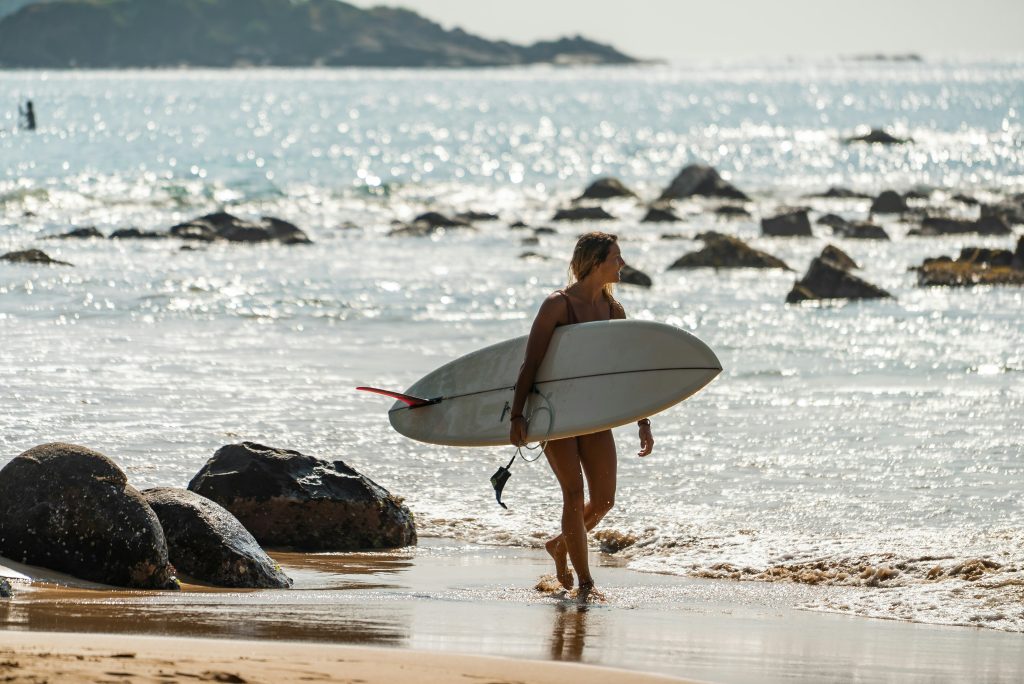
- Where to go instead: This is the perfect time to head to the East Coast and Northern regions. The beaches of Trincomalee, Pasikudah, and the surfing haven of Arugam Bay are bathed in brilliant sunshine with calm, clear waters ideal for luxury yachting and snorkeling.
2. The Maha Monsoon (October to January)
Impacts: The East Coast and Northern regions. As the year closes, the northeastern monsoon brings rain to the East.
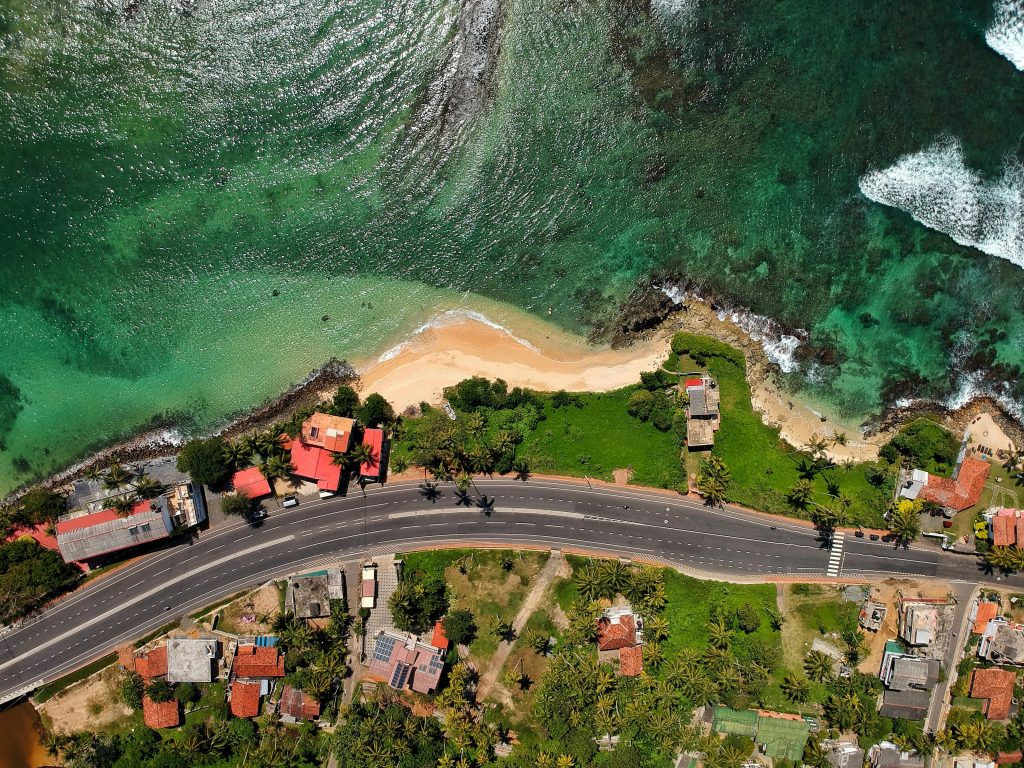
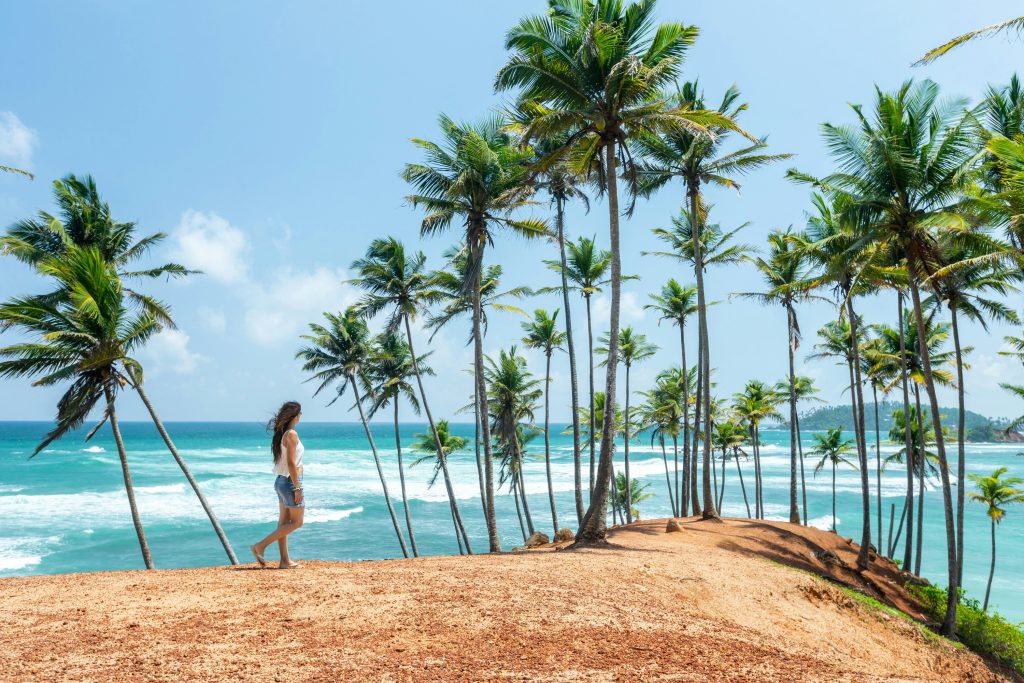
- Where to go instead: The South and West coasts become your idyllic paradise. From the historic ramparts of Galle Fort to the golden stretches of Tangalle and Weligama, the weather is remarkably dry, and the ocean is calm. This is also the peak season for leopard spotting in Yala National Park and whale watching off the coast of Mirissa.
Month-by-Month: Where to Find the Sun
To make your trip planning effortless, here is a quick breakdown of where to find the best weather throughout the year:
- December to March: The undisputed prime time for the West and South Coasts, and the Cultural Triangle. Expect blue skies, calm seas, and perfect conditions for exploring historic sites or unwinding in a private oceanfront villa.
- April: A transitional month. The weather is generally hot and sunny across the entire island, though you may experience occasional, refreshing afternoon showers as the seasons begin to shift.
- May to September: The spotlight turns to the East Coast. The beaches of Pasikudah offer some of the most luxurious, secluded resort experiences on the island, with mirror-like waters perfect for swimming.
- October to November: The “Inter-Monsoon” season. The weather can be slightly unpredictable across the island, characterized by dramatic, short-lived evening thunderstorms followed by clear mornings. For the savvy traveler, this is a brilliant time to visit: the landscapes are lush and vibrant, the luxury boutique hotels are quieter, and you can truly escape the crowds.
The Central Highlands: A Climate of Its Own
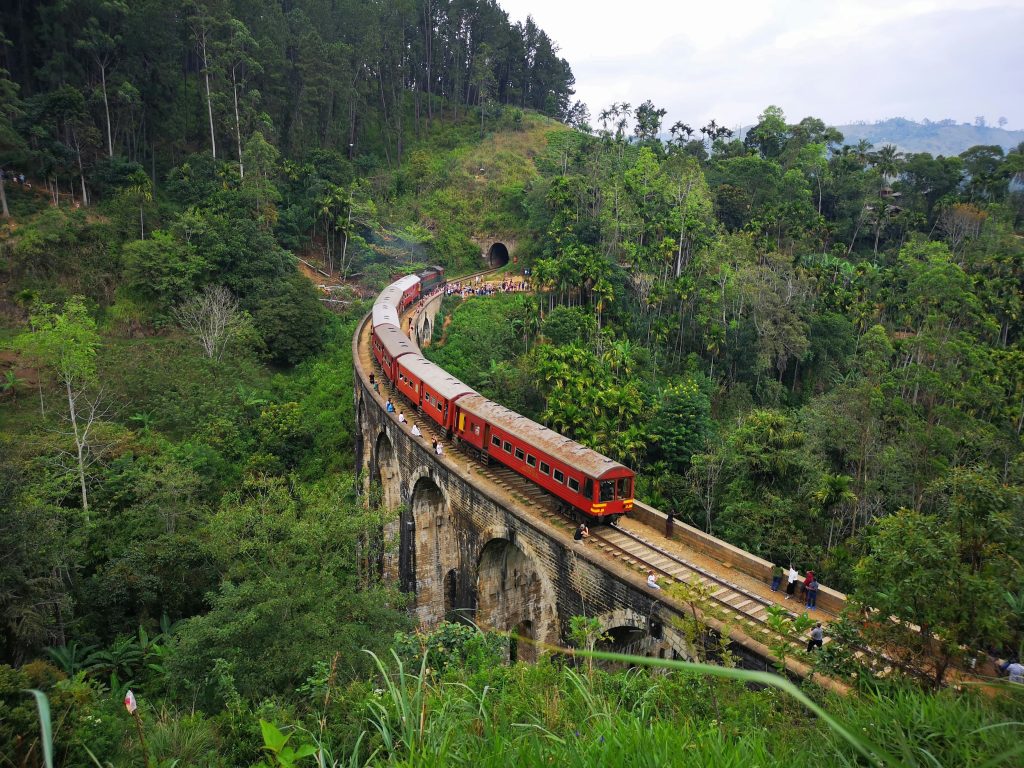
If your itinerary includes the misty peaks of Ella or the rolling tea estates of the Central Highlands, prepare for a distinct microclimate. Temperatures here are refreshingly cool—sometimes requiring a light sweater in the evenings. While December through March offers the clearest views, the dramatic, misty ambiance of the off-season provides a wonderfully cozy atmosphere for a high-end tea estate retreat.
The Final Verdict
There is no “wrong” time to visit Sri Lanka; there are only better coasts to choose from depending on your travel dates. By aligning your itinerary with the island’s natural rhythms, you guarantee an extraordinary experience.
Ready to design a flawless journey? From navigating the seasonal shifts to securing the most exclusive accommodations, exploring Sri Lanka is best done with local expertise. Consider pairing your optimal travel dates with the comfort of a private driver to seamlessly transition between the island’s shifting climates in ultimate comfort.